
Categories
Uncategorized

The Importance of Clinical Trial Management in Successful Drug Development

  • Developing clinical trial protocols.
  • Selecting suitable research sites.
  • Establishing participant recruitment strategies.
  • Preparing study budgets and timelines.
  • Identifying potential operational risks.

Effective planning helps ensure that clinical trials are conducted efficiently and consistently.

3. Regulatory Compliance and Patient Safety

Patient safety and regulatory compliance are essential throughout clinical trial management.

Sponsors and research organizations must consider applicable regulatory requirements, including:

  • Good Clinical Practice (GCP).
  • Informed consent procedures.
  • Ethics committee approvals.
  • Clinical trial registration requirements.
  • Safety reporting obligations.
  • Proper clinical trial documentation.

Compliance helps protect participants and maintain the integrity of clinical research data.

4. The Role of Clinical Research Organizations (CROs)

Contract Research Organizations (CROs) provide specialized services that support pharmaceutical and biotechnology companies throughout clinical development.

Their services may include:

  • Clinical trial management.
  • Clinical monitoring.
  • Regulatory affairs support.
  • Data management and statistical analysis.
  • Medical writing.
  • Pharmacovigilance.
  • Site management and coordination.

Working with an experienced CRO can provide access to specialized expertise and operational resources.

5. Common Challenges in Clinical Trial Management

Clinical research can involve several operational and regulatory challenges, such as:

  • Delays in participant recruitment.
  • Complex regulatory approval processes.
  • Clinical site management difficulties.
  • Data quality and documentation issues.
  • Budget and timeline constraints.
  • Changing regulatory requirements.

Identifying these challenges early allows research teams to develop appropriate mitigation strategies.

6. How Technology Is Transforming Clinical Research

Modern technology is helping improve clinical trial operations and data management.

Some important developments include:

  • Electronic Data Capture (EDC) systems.
  • Electronic Trial Master Files (eTMF).
  • Risk-Based Monitoring (RBM).
  • Decentralized Clinical Trials (DCTs).
  • Artificial Intelligence (AI) in clinical research.
  • Real-time clinical data monitoring.

These technologies can support more efficient workflows, better data visibility, and improved research oversight.

Conclusion

Effective clinical trial management is essential for advancing pharmaceutical research and bringing new treatments closer to patients. By combining strategic planning, regulatory expertise, patient-focused research, and modern technology, organizations can strengthen clinical development programs.

A well-structured clinical trial strategy helps maintain research quality, support regulatory compliance, and improve the overall drug development process.

Need support with your clinical development program? Connect with Global Regulatory Affairs to explore expert guidance in clinical research, regulatory strategy, and pharmaceutical development.

Categories
Uncategorized

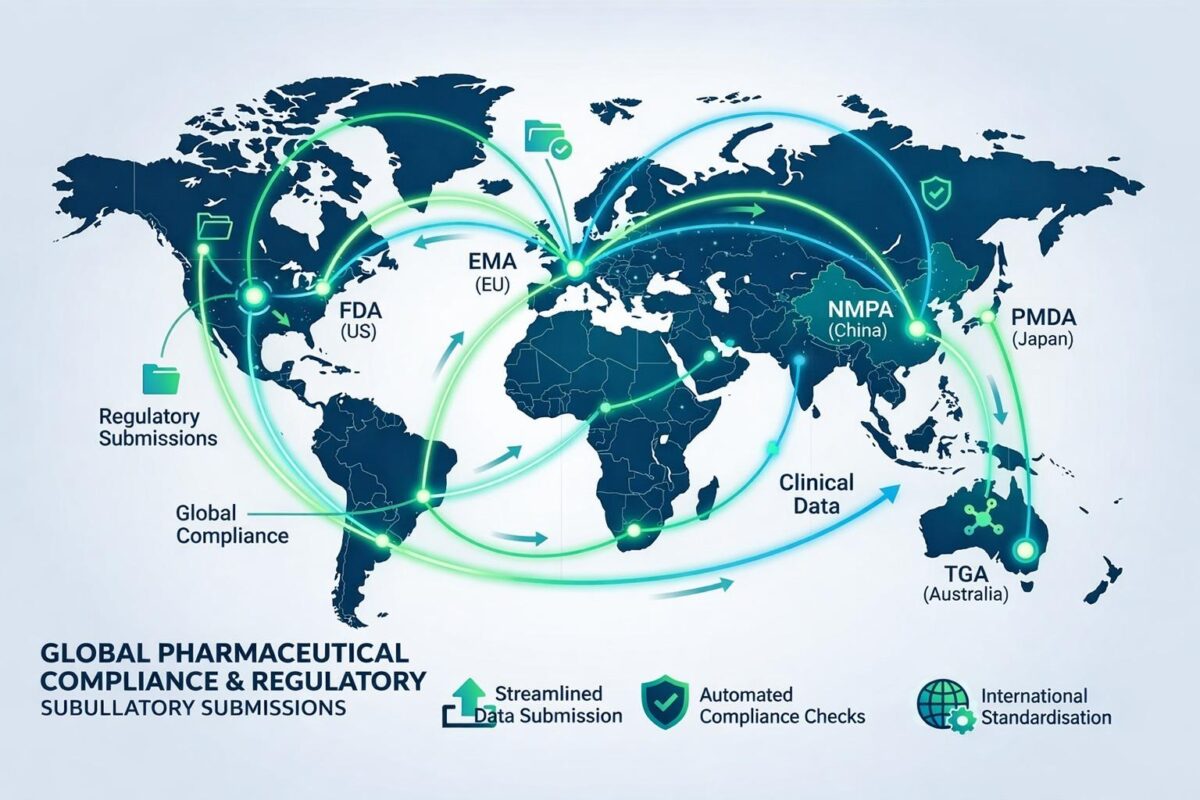
Understanding Global Pharmaceutical Regulatory Requirements: A Guide for Drug Developers

Developing a pharmaceutical product for international markets involves more than scientific research and clinical testing. Pharmaceutical companies must also understand and comply with regulatory requirements established by health authorities across different countries.

From clinical trial approvals to marketing authorization, regulatory compliance plays a critical role in ensuring the safety, quality, and effectiveness of pharmaceutical products.

In this article, we explore the importance of global pharmaceutical regulatory requirements and how companies can navigate the regulatory landscape successfully.

1. Understanding International Regulatory Authorities

Different countries have their own regulatory authorities responsible for evaluating pharmaceutical products and ensuring patient safety.

Some major regulatory agencies include:

  • FDA (United States): Food and Drug Administration.
  • EMA (European Union): European Medicines Agency.
  • MHRA (United Kingdom): Medicines and Healthcare products Regulatory Agency.
  • PMDA (Japan): Pharmaceuticals and Medical Devices Agency.
  • NMPA (China): National Medical Products Administration.
  • Health Canada: Canada’s national health regulatory authority.

Understanding the expectations of these agencies is essential when planning international drug development.

2. Importance of ICH Guidelines

The International Council for Harmonisation (ICH) develops guidelines that help harmonize technical requirements for pharmaceutical development and registration.

Important ICH guidelines include:

  • ICH E6: Good Clinical Practice (GCP).
  • ICH E8: General Considerations for Clinical Studies.
  • ICH Q1: Stability Testing.
  • ICH Q2: Analytical Procedure Validation.
  • ICH Q9: Quality Risk Management.
  • ICH Q10: Pharmaceutical Quality System.

Following applicable ICH guidelines can help streamline regulatory submissions across participating regions.

3. Clinical Trial Regulatory Requirements

Before conducting clinical trials, pharmaceutical companies must meet country-specific regulatory requirements.

These may include:

  • Clinical trial application or notification.
  • Ethics committee approval.
  • Informed consent documentation.
  • Clinical trial protocols.
  • Investigator and site documentation.
  • Good Clinical Practice compliance.

Proper regulatory planning helps minimize delays and supports ethical clinical research.

4. Regulatory Submission and Marketing Authorization

Once clinical development is completed, companies must prepare regulatory submissions to obtain marketing authorization.

Depending on the region and product, submissions may include:

  • Common Technical Document (CTD).
  • Electronic Common Technical Document (eCTD).
  • Clinical study reports.
  • Nonclinical study reports.
  • Chemistry, Manufacturing and Controls (CMC) documentation.
  • Product labeling and prescribing information.

Accurate and complete documentation is essential for an efficient regulatory review process.

5. Challenges in Global Regulatory Compliance

Pharmaceutical companies entering multiple markets may encounter several challenges, including:

  • Differences in country-specific regulatory requirements.
  • Changing regulatory guidelines.
  • Complex submission procedures.
  • Language and documentation requirements.
  • Different clinical trial approval timelines.
  • Post-approval compliance obligations.

Working with experienced regulatory affairs professionals can help organizations address these challenges effectively.

6. The Role of Regulatory Affairs Consultants

Regulatory affairs consultants support pharmaceutical and biotechnology companies throughout the product lifecycle.

Their services may include:

  • Regulatory strategy development.
  • Clinical trial regulatory support.
  • Regulatory submission preparation.
  • CTD and eCTD publishing.
  • Regulatory gap assessments.
  • Agency communication.
  • Post-marketing regulatory support.

Their expertise helps organizations develop effective regulatory strategies and navigate complex international requirements.

Conclusion

Global pharmaceutical regulatory compliance is an essential part of successful drug development and commercialization. Understanding regional requirements, following internationally recognized guidelines, and developing a strong regulatory strategy can help pharmaceutical companies move their products toward global markets.

Partnering with experienced regulatory affairs professionals can provide valuable guidance throughout the development and registration process.

Looking for expert regulatory affairs support? Connect with Global Regulatory Affairs to explore regulatory strategies and solutions for your pharmaceutical development and global market access needs.

Categories
Digital Marketing

10 Essential Tips to Build a Successful Online Presence

Introduction

In today’s digital world, having a strong online presence is essential for every business. Whether you’re running a small business, a startup, or an established company, your website and digital marketing strategy play an important role in attracting customers and building trust.

Here are 10 essential tips to help your business establish a strong online presence.

1. Build a Professional Website

Your website is often the first impression customers have of your business. Make sure it is visually appealing, mobile-friendly, easy to navigate, and provides all the important information about your services.

2. Focus on Search Engine Optimization (SEO)

SEO helps your website appear in search engine results when potential customers search for your products or services. Focus on keyword research, quality content, technical SEO, and link building.

3. Create Valuable Content

Publish informative blogs, guides, and articles that answer your customers’ questions. Quality content builds credibility and helps attract organic traffic.

4. Stay Active on Social Media

Social media platforms provide an excellent opportunity to connect with your audience. Share regular updates, useful tips, company news, and engaging content.

5. Optimize Your Website for Mobile

A large number of users browse websites using smartphones. Ensure your website loads quickly and works smoothly across different screen sizes.

6. Invest in Online Advertising

Google Ads and social media advertising can help you reach targeted audiences, generate leads, and increase brand awareness.

7. Improve Website Speed

A slow website can affect user experience and search engine performance. Optimize images, use caching, and choose reliable hosting.

8. Build Customer Trust

Display customer testimonials, reviews, business information, and clear contact details to help visitors feel confident about your business.

9. Track Your Website Performance

Use Google Analytics 4 and Google Search Console to monitor website traffic, user behavior, keyword performance, and conversions.

10. Keep Improving Your Digital Strategy

Digital marketing is constantly evolving. Regularly review your website performance, update your content, and explore new opportunities to grow your business.

Conclusion

Building a successful online presence requires consistency, planning, and the right digital strategy. By focusing on website quality, SEO, content marketing, and customer engagement, your business can achieve sustainable online growth.

Ready to grow your business online? Start implementing these strategies today and take your digital presence to the next level.