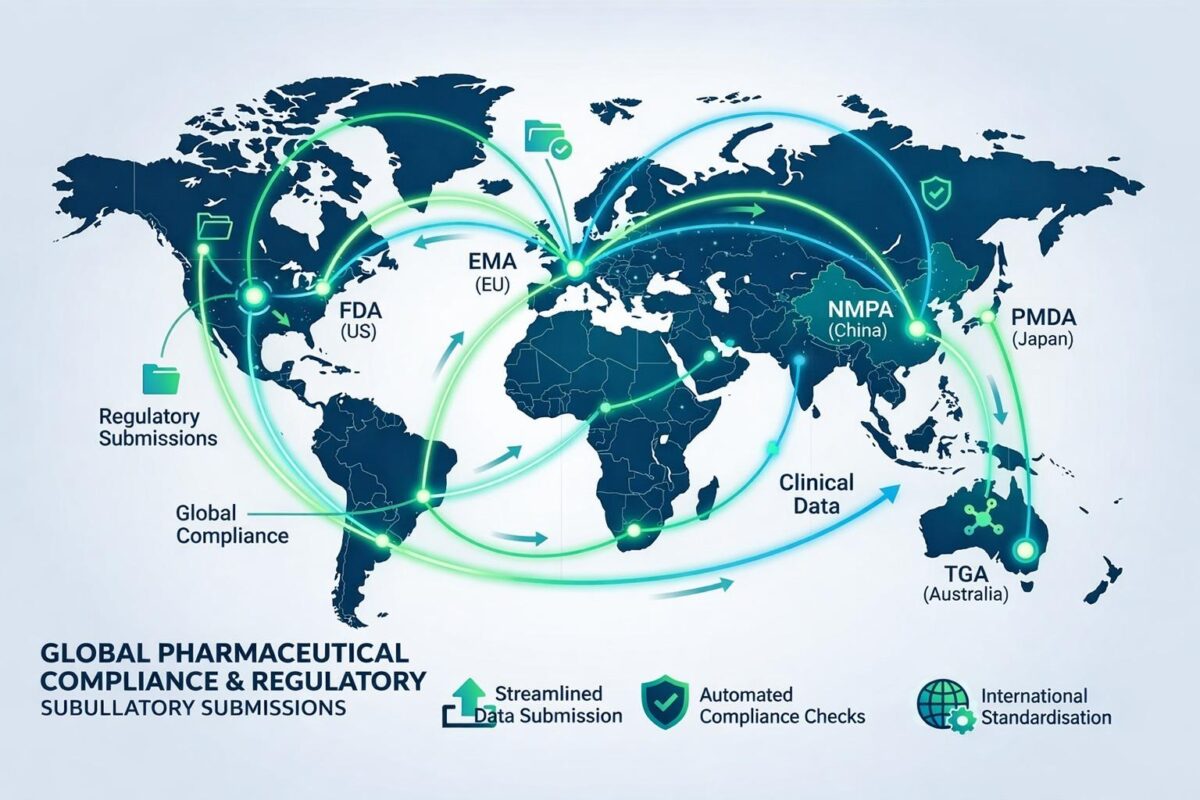
Developing a pharmaceutical product for international markets involves more than scientific research and clinical testing. Pharmaceutical companies must also understand and comply with regulatory requirements established by health authorities across different countries.
From clinical trial approvals to marketing authorization, regulatory compliance plays a critical role in ensuring the safety, quality, and effectiveness of pharmaceutical products.
In this article, we explore the importance of global pharmaceutical regulatory requirements and how companies can navigate the regulatory landscape successfully.
1. Understanding International Regulatory Authorities
Different countries have their own regulatory authorities responsible for evaluating pharmaceutical products and ensuring patient safety.
Some major regulatory agencies include:
- FDA (United States): Food and Drug Administration.
- EMA (European Union): European Medicines Agency.
- MHRA (United Kingdom): Medicines and Healthcare products Regulatory Agency.
- PMDA (Japan): Pharmaceuticals and Medical Devices Agency.
- NMPA (China): National Medical Products Administration.
- Health Canada: Canada’s national health regulatory authority.
Understanding the expectations of these agencies is essential when planning international drug development.
2. Importance of ICH Guidelines
The International Council for Harmonisation (ICH) develops guidelines that help harmonize technical requirements for pharmaceutical development and registration.
Important ICH guidelines include:
- ICH E6: Good Clinical Practice (GCP).
- ICH E8: General Considerations for Clinical Studies.
- ICH Q1: Stability Testing.
- ICH Q2: Analytical Procedure Validation.
- ICH Q9: Quality Risk Management.
- ICH Q10: Pharmaceutical Quality System.
Following applicable ICH guidelines can help streamline regulatory submissions across participating regions.
3. Clinical Trial Regulatory Requirements
Before conducting clinical trials, pharmaceutical companies must meet country-specific regulatory requirements.
These may include:
- Clinical trial application or notification.
- Ethics committee approval.
- Informed consent documentation.
- Clinical trial protocols.
- Investigator and site documentation.
- Good Clinical Practice compliance.
Proper regulatory planning helps minimize delays and supports ethical clinical research.
4. Regulatory Submission and Marketing Authorization
Once clinical development is completed, companies must prepare regulatory submissions to obtain marketing authorization.
Depending on the region and product, submissions may include:
- Common Technical Document (CTD).
- Electronic Common Technical Document (eCTD).
- Clinical study reports.
- Nonclinical study reports.
- Chemistry, Manufacturing and Controls (CMC) documentation.
- Product labeling and prescribing information.
Accurate and complete documentation is essential for an efficient regulatory review process.
5. Challenges in Global Regulatory Compliance
Pharmaceutical companies entering multiple markets may encounter several challenges, including:
- Differences in country-specific regulatory requirements.
- Changing regulatory guidelines.
- Complex submission procedures.
- Language and documentation requirements.
- Different clinical trial approval timelines.
- Post-approval compliance obligations.
Working with experienced regulatory affairs professionals can help organizations address these challenges effectively.
6. The Role of Regulatory Affairs Consultants
Regulatory affairs consultants support pharmaceutical and biotechnology companies throughout the product lifecycle.
Their services may include:
- Regulatory strategy development.
- Clinical trial regulatory support.
- Regulatory submission preparation.
- CTD and eCTD publishing.
- Regulatory gap assessments.
- Agency communication.
- Post-marketing regulatory support.
Their expertise helps organizations develop effective regulatory strategies and navigate complex international requirements.
Conclusion
Global pharmaceutical regulatory compliance is an essential part of successful drug development and commercialization. Understanding regional requirements, following internationally recognized guidelines, and developing a strong regulatory strategy can help pharmaceutical companies move their products toward global markets.
Partnering with experienced regulatory affairs professionals can provide valuable guidance throughout the development and registration process.
Looking for expert regulatory affairs support? Connect with Global Regulatory Affairs to explore regulatory strategies and solutions for your pharmaceutical development and global market access needs.